Updated – 2026
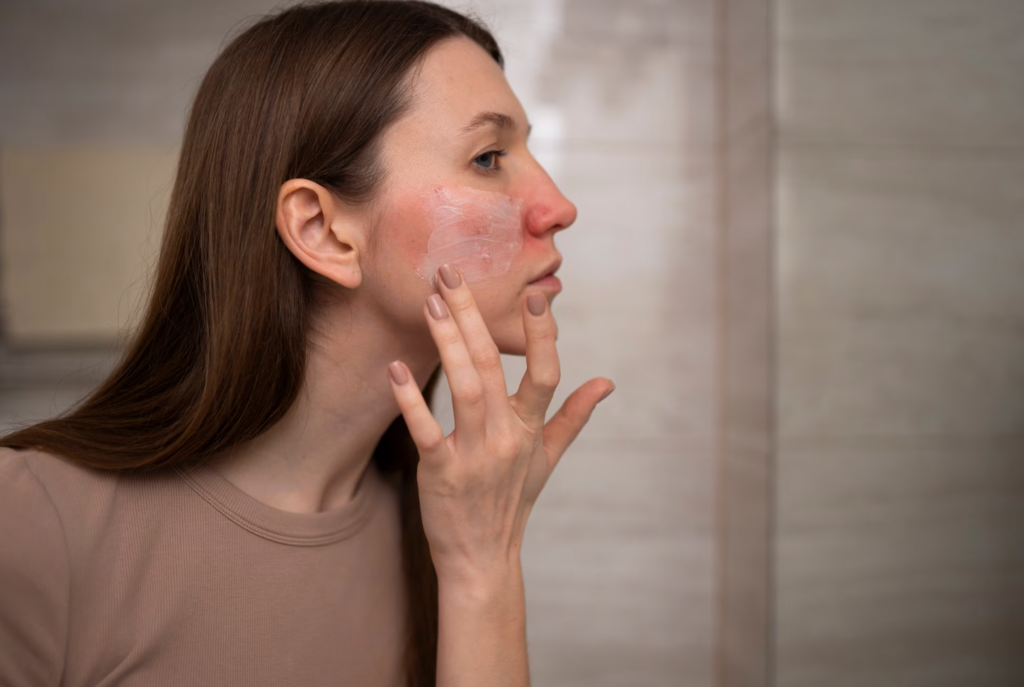
Is Your Skin Barrier Damaged? 5 Red Flags You Can’t Ignore
We’ve all been there. One day your skin looks fine, and the next? It’s red, tight, and your go-to moisturizer suddenly feels like sandpaper .
If your skin has been throwing tantrums lately and nothing seems to help, there’s a good chance your skin barrier is crying for help .
The good news? K-beauty has perfected the art of barrier repair . Korean skincare philosophy prioritizes gentle, layered hydration and barrier restoration—exactly what damaged skin needs to heal.
Let’s dive into how to fix your skin barrier using time-tested K-beauty secrets.
What Is the Skin Barrier (And Why Should You Care)?
Think of your skin barrier as your face’s personal bodyguard. It’s the outermost layer of your skin, called the stratum corneum, and it works overtime to keep the good stuff in (hello, hydration!) and the bad stuff out (pollution, bacteria, irritants) .
Your barrier is made up of skin cells held together by lipids, ceramides, and fatty acids—like bricks and mortar . When it’s healthy, your skin feels soft, smooth, and balanced. When it’s damaged? That’s when all the chaos begins .
A healthy barrier:
- Locks in moisture and prevents water loss
- Shields against environmental aggressors
- Maintains a calm, even complexion
A damaged barrier:
- Lets moisture escape (transepidermal water loss)
- Allows irritants to penetrate
- Leads to redness, sensitivity, and breakouts
What Causes Skin Barrier Damage?
Before we fix it, let’s understand what broke it. In my experience, these are the biggest culprits :
Sound familiar? Don’t worry—you’re definitely not alone .
5 Signs Your Skin Barrier Is Damaged
How do you know if your barrier is actually compromised? Here are the five telltale signs :
1. Your Products Suddenly Sting or Burn
Remember when your favourite toner felt like a refreshing splash of water? Now it stings like you poured lemon juice on a paper cut. When your barrier is damaged, it can no longer protect the nerve endings underneath .
2. Persistent Redness That Won’t Fade
If your skin looks constantly flushed—even when you’re not embarrassed or overheated—that’s inflammation talking .
3. Tight, Dry Skin That Moisturizer Can’t Fix
This is the frustrating one. You’re slathering on cream after cream, but your skin still feels tight and parched. That’s because when your barrier is broken, it can’t hold onto moisture no matter how much you apply .
4. Unexpected Breakouts and Bumps
Here’s the plot twist: a damaged barrier can actually cause breakouts. When your skin’s defences are down, bacteria sneaks in more easily .
5. Rough, Uneven Texture
If your skin suddenly feels bumpy, crepey, or just… off, that’s another red flag .
If you’re nodding along to two or more of these signs, it’s time for a barrier-repair intervention !
Key Korean Ingredients That Repair the Skin Barrier
Not all moisturizers or serums are created equal when it comes to barrier repair. The most effective Korean products use a combination of bio-identical lipids and soothing agents .
Pro tip: Look for products listing ceramides as one of the first five ingredients—this indicates a clinically effective concentration .
The 5-Step Korean Skin Barrier Repair Routine
Here’s a step-by-step routine featuring barrier-loving ingredients. Recovery takes consistency—jumping between products or reintroducing exfoliants too soon can undo progress .
Step 1: Gentle Low-pH Cleanser
Skip the squeaky-clean feeling . Harsh cleansers strip natural oils and worsen barrier damage .
Choose a pH-balanced, sulfate-free cleanser (aim for pH 5.0–6.5) that removes impurities without stripping .
What to look for:
- Hydrating ingredients like birch sap, glycerin, or centella
- Non-foaming or low-foam formulas
- No sulfates (SLS) or harsh detergents
How to use:
- If you wear sunscreen or makeup, double cleanse gently:
- Use lukewarm water—hot water increases moisture loss
- Pat dry with a soft towel—never rub
Top K-beauty picks:
- Round Lab Dokdo Cleanser – soft, mineral-rich foam for daily use
- SKIN1004 Madagascar Centella Ampoule Foam – mild foam enriched with centella to soothe while cleansing
- Haruharu Wonder Black Rice Soft Cleansing Gel – gentle gel for sensitive skin
Step 2: Hydrating, Barrier-Supporting Toner
A gentle, hydrating toner restores your skin’s natural pH, replenishes lost hydration, and soothes irritation .
What to look for:
- Centella Asiatica, panthenol, beta-glucan, or ceramides
- Alcohol-free formulas
- No harsh acids or exfoliants during repair
How to use:
- Apply to slightly damp skin (helps absorption)
- Press gently with hands—don’t rub
- For extra soothing, apply 2–3 thin layers
Top K-beauty picks:
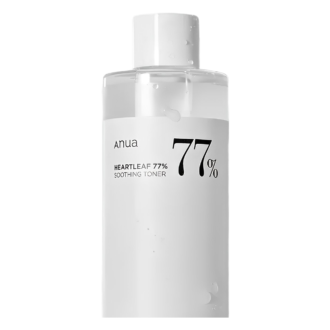
- ANUA Heartleaf 77% Soothing Toner – redness-reducing hydration for reactive skin
- SKIN1004 Madagascar Centella Probio-Cica Essence Toner – calms visible redness and gently resets the barrier
- Pyunkang Yul Essence Toner – minimal ingredients, maximal hydration
Step 3: Repairing Serum or Ampoule
When it comes to barrier repair, hydration alone isn’t enough—you also want to replenish the “cement” that holds skin cells together .
What to look for:
- Ceramides, madecassoside, panthenol, or snail mucin
- Centella-based serums for calming inflammation
- Lightweight formulas that absorb without stickiness
How to use:
- Apply 1–2 pumps after toner
- Focus on the driest areas (cheeks, around mouth)
- Let it absorb for 30 seconds before moisturizer
Top K-beauty picks:
- Purito Centella Unscented Serum – 49% centella extract + madecassoside, fragrance-free
- Anua Rice 7 Ceramide Hydrating Barrier Serum – cushions moisture while supporting the barrier with ceramides and rice extract
- Torriden DIVE-IN Hyaluronic Acid Serum – deep, weightless hydration
- COSRX Advanced Snail 96 Mucin Power Essence – restores bounce and calms irritation
Step 4: Ceramide Moisturizer (Day & Night)
Now we lock it all in. If your skin is feeling raw, flaky, or reactive, a rich barrier cream can make a huge difference .
What to look for:
- Ceramides, cholesterol, fatty acids – these mimic the skin’s natural lipid layer
- Panthenol, shea butter, squalane for extra soothing and occlusion
- Richer textures for night, lighter options for day
How to use:
- Apply a generous layer as your final step
- For extra dryness, add a second thin layer on flaky patches (“moisture sandwich” style)
- Use morning and night
Top K-beauty picks:
- COSRX The Ceramide Skin Barrier Moisturizer – lightweight yet restorative with phytoceramides and shea butter
- AESTURA Atobarrier 365 Cream – deep, cushiony hydration with barrier-mimicking ingredients; perfect for steady, reliable reinforcement
- Real Barrier Extreme Cream – a comforting “blanket” that seals in hydration
- Klairs Rich Moist Soothing Cream – beta-glucan, shea butter, and squalane for intense hydration without heaviness
- ATOPALM Panthenol Cream – soothes dryness and redness with panthenol while reinforcing the barrier
Step 5: Sunscreen (Non-Negotiable!)
A damaged barrier is extra vulnerable to UV damage . Even on cloudy days, sunscreen is essential .
What to look for:
- Mineral or gentle chemical formulas that won’t irritate
- SPF 30 or higher (SPF 50+ for prolonged exposure)
- Broad-spectrum protection (UVA + UVB)
How to use:
- Apply as the final step in your morning routine
- Use 1/4 teaspoon for face and neck
- Allow 15–20 minutes for chemical sunscreens to bind
- Reapply every 2 hours if outdoors
Top K-beauty picks:
- Torriden DIVE-IN Mild Sun Cream SPF50+ PA++++ – vegan, mineral-based with hyaluronic acid, no white cast
- SKIN1004 Madagascar Centella Hyalu-Cica Water-Fit Sun Serum – lightweight, soothing SPF that feels like skincare
- Beauty of Joseon Relief Sun Rice + Probiotics SPF50+ – cult favorite with rice extract, invisible finish
4-Week Healing Timeline
Recovery takes patience. Here’s what to expect with consistent care :
Most people see noticeable improvement within 2–4 weeks. Full recovery typically takes 4–6 weeks, depending on severity .
What to AVOID While Repairing Your Barrier
While you’re in recovery mode, here’s what to skip :
Optional: Overnight Sleeping Mask (2–3x/week)
When dryness won’t go away, overnight care works while you sleep .
What it does:
How to use:
Top K-beauty picks:
- SKIN1004 Madagascar Centella Hyalu-Cica Sleeping Pack – lightweight gel that calms and hydrates
- Isntree Hyaluronic Acid Water Sleeping Mask – layer-by-layer hydration for tight, dehydrated skin
- LANEIGE Lip Sleeping Mask EX – for dry, chapped lips (a common sidekick to barrier damage)
Lifestyle Tips for Faster Healing
Your skin barrier doesn’t exist in isolation—your lifestyle affects it too .
FAQ: Your Barrier Repair Questions Answered
Q: How long does it take to repair a damaged skin barrier?
With consistent care, most people see improvement in 2–4 weeks. Full recovery typically takes 4–6 weeks, depending on severity .
Q: Can I wear makeup while repairing my skin barrier?
Yes, but opt for mineral-based, non-comedogenic formulas. Avoid heavy powders or long-wear foundations with drying alcohols. Always remove makeup gently with a cleansing balm or micellar water .
Q: Is double cleansing safe for a compromised barrier?
Only if done correctly. Use an oil-based cleanser followed by a low-pH water-based cleanser, but skip the second cleanse if your skin feels tight. In recovery phases, single cleansing with a milky formula is often sufficient .
Q: Do I need sunscreen if I stay indoors?
Yes! UV rays penetrate windows, and daily SPF prevents further barrier stress and hyperpigmentation .
Q: What ingredients help a damaged barrier the most?
Ceramides, cholesterol, fatty acids, hyaluronic acid, panthenol, centella asiatica, madecassoside, and snail mucin .
Q: Can I use sheet masks while repairing?
Yes, but choose masks with soothing, hydrating ingredients (centella, hyaluronic acid, panthenol) and avoid those with alcohol, fragrance, or exfoliating acids. Limit to 2–3 times weekly—over-masking can lead to overhydration